
The App Store Review That Kills Launches: What First-Time Founders Get Wrong
Most rejected app submissions aren't rejected for bugs. They're rejected for policy issues a rushed pre-launch checklist would have caught, and the delay costs more than the fix ever would have.
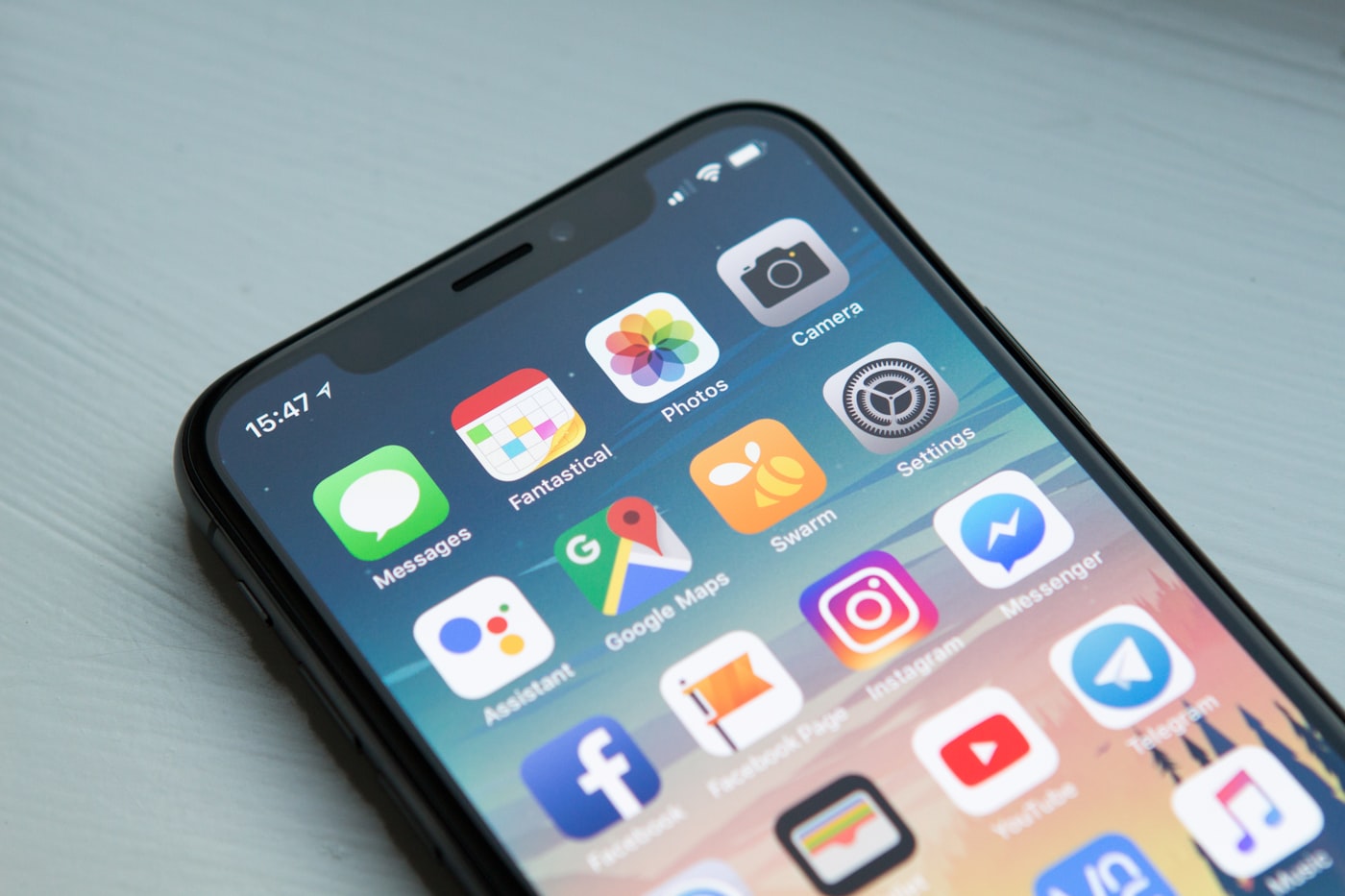
We've shipped apps for first-time founders who had a launch date circled on a calendar, a press mention lined up, and a submission that came back rejected two days before both. It's rarely because the app was broken. It's almost always a policy detail that a rushed final week skipped past.
The rejections that actually happen most often
Apple and Google reject far more apps for policy reasons than for crashes. The recurring ones we see: a login-required app with no demo account for the reviewer, in-app purchase flows that don't match what the listing describes, a privacy policy link that 404s or doesn't actually describe the data the app collects, and account deletion flows that don't meet the platform's newer requirement to make deletion as easy as signup.
None of these are hard to fix. All of them are easy to miss if "submit to the app store" is a task added to the plan the week of launch instead of scoped from the start.
Why the timing damage is worse than the fix
The fix for a rejected submission is usually small. The cost is the review cycle you lose while you wait to resubmit, which can run anywhere from a day to over a week depending on platform load and how the resubmission is flagged. If your launch is tied to a press date, a funding announcement, or a marketing spend that's already live, that delay is the actual damage, not the underlying issue that caused it.
We've had clients whose paid ad campaigns were live and driving traffic to an app store listing that wasn't accepting downloads yet, because the submission bounced on something that would have taken twenty minutes to fix if it had been caught a week earlier.
What actually prevents this
We build store submission into the project timeline as its own milestone, not a final-week afterthought, and we submit a review-ready build at least ten business days before any external launch commitment, specifically to leave room for one rejection-and-fix cycle without touching the real date. That buffer has saved more launches than any other single process change we've made.
The checklist itself isn't exotic: reviewer demo credentials that actually work, a privacy policy that accurately lists every SDK and data point the app touches (including third-party analytics, which reviewers check), in-app purchase descriptions that match the actual product, and an account deletion path if the app has accounts at all. It takes an afternoon to verify properly. Skipping it costs a week you usually don't have to spare.
The founder-facing lesson
If you're building toward a hard launch date, ask your development team explicitly when the store submission happens relative to that date, and don't accept "the week of" as the answer. A submission that goes in with time to absorb one rejection cycle is the difference between a bump in the schedule and a launch that quietly falls apart in public.
More on Mobile Development
Have a project this touches on?
Tell us what you're building or running today. We'll give you a straight answer, not a sales pitch.